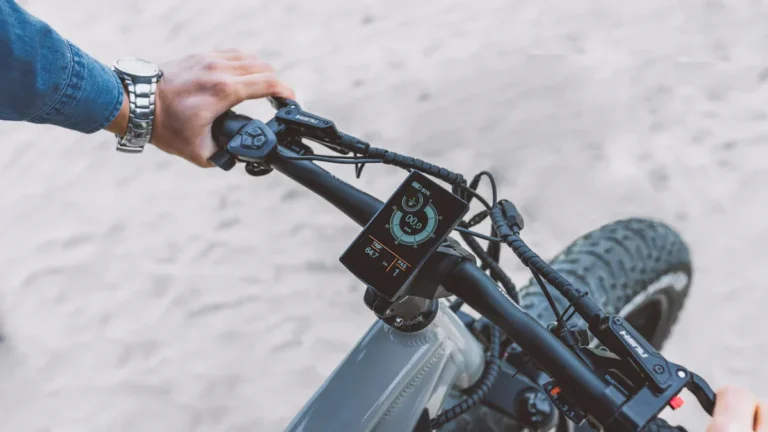
A cycling speed sensor is a small device that measures how fast you ride your bike. It uses advanced technology to track your wheel’s rotation or your location to calculate speed. This tool gives you real-time data, helping you understand your performance as you ride. By using it, you can monitor your progress and adjust your effort to meet your goals. Whether you’re training for an event or just cycling for fun, this sensor can make every ride more efficient and enjoyable.
Key Takeaways
Speed sensors show how fast you ride in real-time. This helps you check your progress and change your effort while cycling.
Pick wheel sensors for indoor riding or GPS sensors for outdoor rides. Choose based on what you need for cycling.
Connect your speed sensor to apps or bike computers. This gives you detailed info about your rides and helps track your progress.
Use speed sensor data to set goals and train better. It can help you prepare for races or improve your personal skills.
Combine speed data with cadence and heart rate info. This gives a full picture of your cycling and helps improve workouts.
What Is a Cycling Speed Sensor?
Definition and Purpose
A cycling speed sensor is a device that measures how fast your bike is moving. It collects data by tracking either the rotation of your bike’s wheel or your location. This information helps you understand your speed during a ride. By using this tool, you can monitor your performance and make adjustments to improve your cycling experience.
The main purpose of a cycling speed sensor is to provide accurate speed measurements. Unlike relying on estimates or guesswork, it gives you precise data in real time. This allows you to track your progress, set goals, and optimize your rides. Whether you’re a casual cyclist or training for a race, this device can help you ride smarter and more efficiently.
Tip: Pair your cycling speed sensor with a fitness app or bike computer to unlock even more insights about your performance.
Types of Cycling Speed Sensors
Cycling speed sensors come in two main types: wheel-based and GPS-based. Each type works differently and offers unique benefits.
Wheel-Based Speed Sensors
These sensors attach to your bike’s wheel hub or frame. They measure speed by counting the number of wheel rotations. This type is highly accurate, especially for indoor cycling or areas with poor GPS signals.GPS-Based Speed Sensors
GPS-based sensors use satellite signals to calculate your speed and location. They don’t require any physical attachment to your bike. These are ideal for outdoor rides and provide additional data, such as route mapping.
Both types can connect to devices like smartphones or bike computers. This integration allows you to view your speed and other metrics in real time. Choosing the right type depends on your cycling needs and preferences.
How Cycling Speed Sensors Work
Mechanism of Wheel-Based Speed Sensors
Wheel-based speed sensors rely on the rotation of your bike’s wheel to measure speed. These sensors typically attach to the hub or frame of your bike. They work by detecting the number of wheel revolutions over a specific period. This data is then used to calculate your speed.
To understand this better, imagine your bike’s wheel as a clock. Each rotation represents a full cycle. The sensor counts these cycles and multiplies them by the wheel’s circumference to determine how far you’ve traveled. By dividing this distance by the time taken, the sensor calculates your speed.
Here’s a simplified breakdown of the process:
The sensor detects wheel revolutions using a magnetic or optical signal.
It calculates the distance traveled by multiplying the number of revolutions by the tire’s circumference.
It converts this distance into speed by factoring in the time taken.
For example, a case study on ABS wheel speed sensors explains how to graph road speed using similar principles. It involves determining the tire circumference and wheel revolutions per minute, which are essential for accurate speed measurement. This method ensures precision, especially in environments where GPS signals may be unreliable, such as indoor cycling or dense urban areas.
Functionality of GPS-Based Speed Sensors
GPS-based speed sensors use satellite signals to track your location and calculate your speed. Unlike wheel-based sensors, these don’t require any physical attachment to your bike. Instead, they rely on global positioning technology to monitor your movement.
When you ride, the sensor continuously communicates with satellites to pinpoint your position. By comparing your location at different time intervals, it determines how far you’ve traveled and how fast you’re going. This method is particularly useful for outdoor rides, as it provides additional data like route mapping and elevation changes.
One advantage of GPS-based sensors is their ability to work across various terrains. Whether you’re cycling through a forest trail or an open highway, these sensors deliver consistent performance. However, they may face challenges in areas with weak satellite signals, such as tunnels or dense urban environments.
Data Transmission and Integration with Devices
Cycling speed sensors are designed to transmit data seamlessly to your devices, such as smartphones, bike computers, or fitness apps. This integration allows you to view your speed and other metrics in real time, enhancing your cycling experience.
Most sensors use wireless technologies like Bluetooth or ANT+ for data transmission. These protocols ensure a stable connection between the sensor and your device. Unified data standards play a crucial role here. They establish consistency in data structure and communication protocols, enabling devices from different manufacturers to work together effortlessly.
For example, protocols like MQTT and CoAP, commonly used in IoT ecosystems, ensure efficient data exchange. Similarly, ISO/IEEE 11073 standards promote interoperability, allowing your cycling speed sensor to integrate smoothly with other systems. These standards ensure that the data you receive is accurate, reliable, and easy to interpret.
By pairing your sensor with a compatible device, you can unlock a wealth of insights. You can track your speed, analyze your performance, and even share your data with fitness apps for a more comprehensive view of your progress. This level of integration transforms your cycling experience, making it more engaging and data-driven.
Components of a Cycling Speed Sensor
Sensor Unit and Mounting Mechanism
The sensor unit is the heart of a cycling speed sensor. It detects and measures the speed of your bike by tracking wheel rotations or using advanced technologies like GPS. Most wheel-based sensors include a magnet attached to the wheel and a sensor mounted on the bike frame. As the wheel rotates, the magnet passes by the sensor, generating signals that calculate speed. This setup ensures precise measurements, even in challenging environments like indoor cycling or areas with poor GPS signals.
Mounting the sensor is straightforward. Manufacturers design these devices to fit securely on your bike without interfering with your ride. Some sensors use straps or clips to attach to the wheel hub or frame, while others rely on adhesive mounts. Non-contact sensors, such as those using magnetic encoders or RFID technology, offer a more seamless installation process. These advanced options eliminate the need for physical contact between the sensor and the wheel, reducing wear and tear over time.
Cyclists often praise these sensors for their ability to maintain a steady pace. This feature is especially helpful for casual riders who prefer consistent performance during their rides. Whether you’re cycling for leisure or training for an event, the sensor unit and its mounting mechanism play a crucial role in enhancing your experience.
Connectivity Features (e.g., Bluetooth, ANT+)
Modern cycling speed sensors come equipped with connectivity features like Bluetooth and ANT+. These technologies allow the sensor to communicate wirelessly with your devices, such as smartphones, bike computers, or fitness apps. This connection enables you to monitor key performance metrics, including speed, cadence, and heart rate, in real time.
Bluetooth and ANT+ offer several advantages. They ensure a stable connection between your sensor and device, even during long rides. Many cycling computers are compatible with both technologies, making it easier to integrate your sensor into your existing setup. These features also support data sharing with fitness apps, giving you a comprehensive view of your performance.
For example, Bluetooth Smart sensors provide accurate speed data while consuming minimal battery power. ANT+ sensors, on the other hand, excel in multi-device connectivity, allowing you to pair your speed sensor with multiple gadgets simultaneously. These connectivity options make it simple to track your progress and adjust your training for better results.
By leveraging these features, you can transform your cycling experience into a data-driven journey. Whether you’re aiming to improve your speed or optimize your routes, the connectivity of your cycling speed sensor ensures you stay informed and motivated.
Benefits of Using a Cycling Speed Sensor
Accurate Speed Measurement
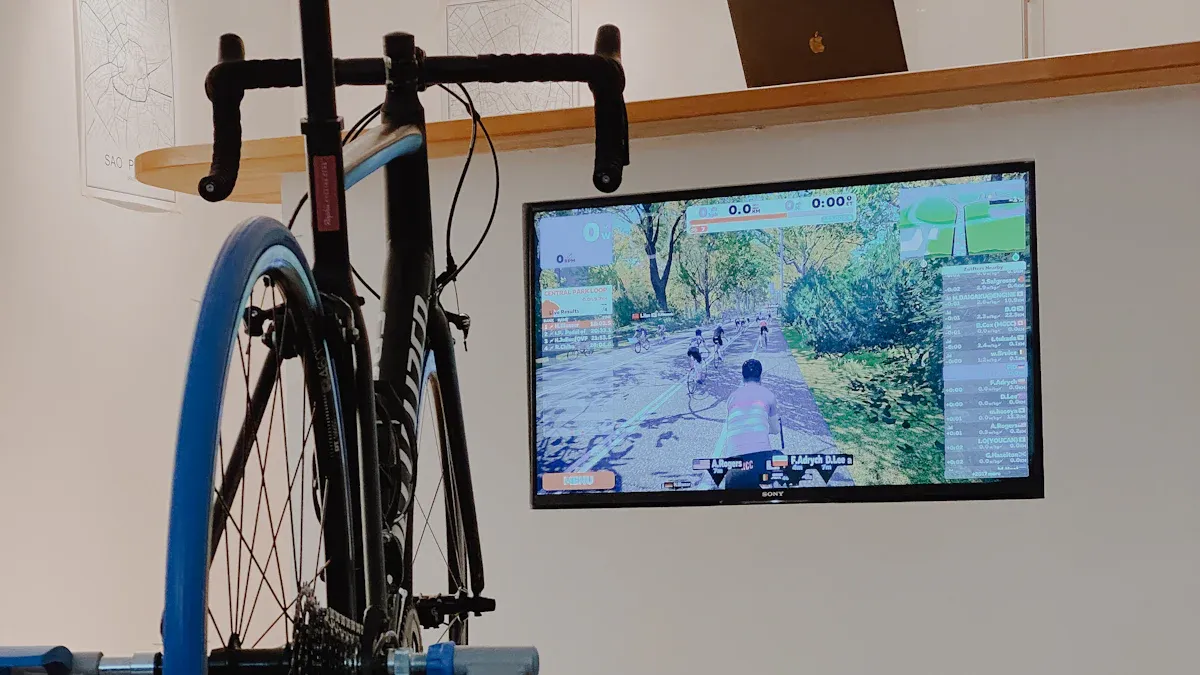
A cycling speed sensor provides precise speed data by measuring either wheel rotations or GPS signals. This accuracy is essential for tracking your performance and ensuring you ride at your desired pace. Unlike estimating your speed or relying on less accurate methods, these sensors give you reliable, real-time information.
For example, wheel-based sensors calculate speed by counting wheel revolutions and factoring in the tire’s circumference. This method ensures consistent results, even in areas where GPS signals might fail, such as tunnels or dense forests. On the other hand, GPS-based sensors excel in outdoor environments, offering additional data like route mapping and elevation changes.
By using a cycling speed sensor, you can trust the data you receive. Whether you’re cycling for leisure or training for a competition, this accuracy helps you stay on track and achieve your goals.
Enhanced Training and Performance Analysis
Cycling speed sensors play a vital role in improving your training and analyzing your performance. They provide detailed metrics that help you understand your strengths and areas for improvement. By tracking your speed over time, you can identify patterns and adjust your training to maximize results.
Studies have shown how data from speed sensors enhances performance. For instance:
Study Title | Key Findings |
|---|---|
Performance analysis and mechanical determinants of the opening lap of the team sprint in elite‐level track cycling | This study indicates that peak speed in the last quarter of a Starter is predictive of performance in the team sprint. It emphasizes the significance of peak power output and torque as determinants of performance. |
Using Field Based Data to Model Sprint Track Cycling Performance | This study discusses how teams utilize data on power output, cadence, and aerodynamic efficiency to enhance performance. |
These findings highlight the importance of speed sensors in structured training. By analyzing metrics like power output and cadence, you can fine-tune your technique and improve your overall efficiency.
Additionally, many sensors integrate seamlessly with fitness apps and devices, allowing you to monitor your progress across multiple platforms. This integration ensures that you have all the tools you need to train smarter and achieve better results.
Real-Time Feedback for Better Cycling Experience
One of the most significant advantages of a cycling speed sensor is the real-time feedback it provides. As you ride, the sensor continuously tracks your speed and other metrics, giving you instant insights into your performance. This immediate feedback helps you make adjustments on the go, ensuring you stay within your optimal performance zones.
Devices like the Body Rocket system take this a step further by delivering precise data on power and aerodynamics directly to you. This allows you to refine your riding technique in real time, leading to improved speed and efficiency. Similarly, performance trackers have evolved to offer in-depth analytics, including power output, cadence, and heart rate. These metrics help you evaluate your effort and optimize your training effectively.
Cycling speed sensors also enhance your experience by maintaining a steady pace. For example, they measure the rotational speed of your wheels and adjust motor assistance accordingly. This feature is particularly beneficial for casual riders who want a comfortable and predictable ride.
By using a cycling speed sensor, you can transform your cycling experience. Whether you’re aiming to improve your performance or simply enjoy a smoother ride, the real-time feedback ensures you get the most out of every journey.
Integration with Other Metrics (e.g., cadence, heart rate)
Cycling speed sensors don’t just measure speed. They also integrate with other metrics like cadence and heart rate to give you a complete picture of your performance. This combination of data helps you understand how your body responds to different cycling conditions and efforts.
Cadence: Measuring Your Pedal Speed
Cadence refers to the number of pedal revolutions per minute (RPM). By pairing your cycling speed sensor with a cadence sensor, you can monitor how efficiently you pedal. For example, if your cadence is too low, you might be exerting unnecessary effort. If it’s too high, you could be sacrificing power. Tracking cadence allows you to find the optimal rhythm for your ride.
Tip: Many bike computers and fitness apps display cadence alongside speed. Use this data to adjust your pedaling technique and improve your cycling efficiency.
Heart Rate: Monitoring Your Effort
Heart rate sensors measure how hard your heart works during a ride. When integrated with your cycling speed sensor, they provide insights into your cardiovascular performance. For instance, you can see how your heart rate changes as your speed increases or decreases. This data helps you identify your target heart rate zones for training, ensuring you don’t overexert yourself.
Heart Rate Zone | Purpose |
|---|---|
Zone 1 (50-60% max HR) | Recovery and warm-up |
Zone 2 (60-70% max HR) | Endurance training |
Zone 3 (70-80% max HR) | Improving aerobic capacity |
Zone 4 (80-90% max HR) | Enhancing speed and power |
Zone 5 (90-100% max HR) | Maximum effort |
By combining heart rate data with speed and cadence, you can tailor your workouts to achieve specific goals, such as building endurance or increasing power output.
Why Integration Matters
When you combine metrics like speed, cadence, and heart rate, you gain a deeper understanding of your cycling performance. This integration allows you to:
Identify patterns in your riding style.
Optimize your training sessions for better results.
Prevent overtraining by monitoring your effort levels.
For example, if your heart rate spikes while maintaining a steady cadence, it might indicate fatigue or dehydration. Similarly, a drop in cadence while maintaining speed could suggest inefficient pedaling. These insights help you make informed decisions during your ride.
Note: Most modern cycling devices support multi-metric integration. Check if your cycling speed sensor is compatible with cadence and heart rate monitors to unlock these benefits.
By leveraging the integration of these metrics, you can transform your cycling experience into a data-driven journey. This approach ensures you ride smarter, train effectively, and achieve your goals with precision.
Practical Applications of Cycling Speed Sensors
Training for Competitive Events
A cycling speed sensor can be your secret weapon when preparing for competitive events. It provides accurate speed data, helping you monitor your performance during training sessions. By analyzing this data, you can identify areas where you need improvement, such as maintaining a consistent pace or increasing your top speed.
For example, if you’re training for a time trial, the sensor allows you to track how long it takes to complete specific distances. This information helps you adjust your effort to achieve faster times. Pairing the sensor with a cadence or heart rate monitor gives you even more insights. You can see how your body responds to different speeds and optimize your training to build endurance and power.
Tip: Use your cycling speed sensor to simulate race conditions during practice. This prepares you for the challenges you’ll face on race day.
Tracking Progress and Setting Goals
Tracking your progress becomes easier with a cycling speed sensor. It records your speed over time, allowing you to see how much you’ve improved. Whether you’re aiming to ride faster or cover longer distances, the sensor provides the data you need to measure success.
Set achievable goals based on your current performance. For instance, if your average speed is 15 mph, aim to increase it to 16 mph within a month. The sensor helps you monitor your progress toward this goal. Many sensors also sync with fitness apps, where you can log your rides and analyze trends. This makes it simple to stay motivated and focused on your objectives.
Note: Celebrate small victories, like shaving a few seconds off your time or maintaining a steady pace on a challenging route. These milestones keep you motivated.
Optimizing Routes and Cycling Efficiency
Cycling speed sensors play a crucial role in optimizing your routes and improving efficiency. By analyzing speed data, you can identify which routes allow you to ride faster and which ones slow you down. This helps you choose paths that match your goals, whether it’s speed training or a leisurely ride.
Advanced sensors often integrate with GPS and navigation apps. These tools suggest alternative routes to avoid traffic or challenging terrain. For example, dynamic traffic routing uses real-time data to guide you away from congested areas. Adaptive traffic signals adjust based on current conditions, ensuring smoother rides.
Strategy/Technology | Description |
|---|---|
Real-time traffic monitoring | Utilizes sensors, cameras, and GPS data to detect disruptions and alert road users. |
Incident management systems | Deploys quick-response teams to manage traffic incidents effectively. |
Dynamic traffic routing | Navigation apps suggest alternative routes to avoid congestion. |
Adaptive traffic signals | Adjusts in real-time based on current traffic conditions. |
Better roadwork planning | Schedules maintenance during off-peak hours and provides advanced notice. |
By leveraging these technologies, you can save time and energy on your rides. The cycling speed sensor ensures you get the most out of every journey, whether you’re commuting, training, or exploring new trails.
Pairing with Smart Devices and Apps
Pairing your cycling speed sensor with smart devices and apps unlocks a world of possibilities for tracking and improving your performance. Modern sensors use wireless technologies like Bluetooth and ANT+ to connect seamlessly with smartphones, cycling computers, and fitness wearables. This integration allows you to monitor your speed, cadence, and other metrics in real time.
Many cycling apps are designed to work across multiple platforms, ensuring compatibility with Android, iOS, and popular cycling computers like Wahoo and Garmin. These apps also sync with third-party services, making it easier to manage your data and analyze your progress. For example:
The best cycling apps of 2025 prioritize smooth operation across devices, enhancing user experience.
Integration with heart rate monitors and smart trainers helps serious cyclists track their performance effectively.
Apps like TrainerRoad use Adaptive Training to adjust workouts based on your evolving abilities. They even prompt you to retake fitness tests regularly to recalibrate your training goals.
Pairing your sensor with these apps provides more than just speed data. You can access advanced features like route mapping, elevation tracking, and performance analysis. Fitness wearables add another layer of insight by monitoring your heart rate and effort levels during rides. This combination of data helps you make informed decisions to optimize your training.
Tip: Check your sensor’s compatibility with your preferred apps and devices before purchasing. This ensures you can take full advantage of its features.
By integrating your cycling speed sensor with smart devices and apps, you transform your cycling experience into a data-driven journey. Whether you’re aiming to improve your speed or explore new routes, this pairing ensures you stay informed and motivated.
A cycling speed sensor transforms your rides by providing accurate speed data and integrating with other performance metrics. Its components, like the sensor unit and connectivity features, work seamlessly to deliver real-time insights. This tool helps you track progress, set goals, and optimize your cycling experience. Whether you’re training for an event or riding for fun, it enhances your performance and enjoyment.
Tip: Explore cycling speed sensors to unlock your full potential and make every ride more rewarding.
FAQ
What is the difference between a cycling speed sensor and a cadence sensor?
A cycling speed sensor measures how fast your bike moves, while a cadence sensor tracks your pedaling speed in revolutions per minute (RPM). Both sensors provide unique data to help you improve your cycling performance. Many devices combine these features for a complete riding experience.
Can I use a cycling speed sensor indoors?
Yes, wheel-based speed sensors work perfectly indoors. They measure wheel rotations to calculate speed, making them ideal for stationary trainers. GPS-based sensors, however, may not function well indoors due to weak satellite signals.
How do I install a cycling speed sensor?
Most speed sensors attach to your bike’s wheel hub or frame using straps or clips. Follow the manufacturer’s instructions for proper placement. Ensure the sensor aligns with the magnet (if applicable) for accurate readings. GPS-based sensors don’t require installation on the bike.
Are cycling speed sensors compatible with all devices?
Most modern sensors use Bluetooth or ANT+ for connectivity. These technologies ensure compatibility with smartphones, bike computers, and fitness apps. Before purchasing, check if the sensor supports your preferred devices and apps.
Do I need a cycling speed sensor if I already have a GPS device?
A speed sensor offers more precise data, especially in areas with weak GPS signals, like tunnels or dense forests. It also works indoors, unlike GPS devices. Using both together provides the most accurate and comprehensive cycling data.